
Unlock Flavours: The Sensory Impact Model For Better Gluten Free Cooking
Do your gluten-free meals ever taste like a mouthful of stale rice cakes or dry biscuits? It’s a common frustration—bland flavours, crumbly textures, and that feeling that you’re missing out on “real food.” Whether you’re managing gluten intolerance, coeliac disease, or other dietary restrictions, gluten-free cooking often feels like a compromise.
But here’s the good news: gluten-free cooking doesn’t have to be tasteless or boring. Imagine meals that aren’t just “good enough,” but packed with bold flavours, satisfying textures, and vibrant colours. The Sensory Impact Model can help you make that a reality.
When I first tried cooking gluten-free, I remember feeling defeated—no matter how many recipes I tried, the flavours fell flat, and the textures were disappointing. Then, I discovered the Sensory Impact Model. It transformed my approach, making my dishes more balanced and enjoyable. Today, I want to share how you can use this model to bring new life to your gluten-free meals.
What is the Sensory Impact Model?
The Sensory Impact Model is a simple way to make meals more satisfying by engaging all five senses:
- Taste: The building blocks—sweet, salty, sour, bitter, umami, and fattiness (oleogustus).
- Texture: The way food feels in your mouth—crunchy, creamy, chewy, and more.
- Aroma: The smell of a dish plays a huge role in how we perceive flavour.
- Visual Appeal: How the dish looks can set the tone for a memorable meal.
- Environment: The dining atmosphere, from table settings to background sounds, can affect how enjoyable a meal is.
By focusing on these elements, you can turn gluten-free cooking into something that feels complete and genuinely satisfying.
Taste vs. Flavour: What’s the Difference?
When we think about taste, we often focus on sweetness or saltiness. But true flavour combines taste with aroma and texture. It’s the difference between something tasting sweet and experiencing the rich, earthy sweetness of roasted sweet potato paired with the zing of lemon in our featured recipe.
Quick Tip: To enhance flavour, use herbs and spices. For example, the combination of parsley, basil, and dukkah in the Sweet Potato Fritters adds depth, making each bite more exciting.
The Importance of Texture: Why Crunch Matters
When I first made gluten-free fritters, they were either too mushy or too dry. It was frustrating! But then, I learned that texture—or “mouthfeel”—plays a big role in satisfaction. The crunch of sweet potato fritters, combined with creamy avocado, creates a balanced contrast that makes the meal more enjoyable.
To create a satisfying mouthfeel in gluten-free dishes, aim for a variety of textures. For example, crispy nuts, silky sauces, or chewy grains like quinoa can elevate a dish.
Practical Tip: Add gluten-free crunch with ingredients like toasted seeds, puffed quinoa, or gluten-free breadcrumbs.
Fat as a Flavour and Aroma Carrier: An Essential Ingredient in All Cooking
The next breakthrough for me was understanding the role of fat in flavour. Fat isn’t just about adding richness; it’s essential for boosting and carrying flavours, whether in gluten-free dishes or any other type of cuisine.
In the Sweet Potato Fritters with Smashed Avo & Dukkah recipe below, olive oil isn’t just for cooking—it enhances the natural sweetness of the sweet potato and adds richness to the avocado. Fat coats your taste buds, making flavours linger longer and feel more satisfying.
Here’s why fat is so important:
- Carries Aromas: Many aroma compounds are fat-soluble, meaning fat helps release these aromas for a fuller flavour experience.
- Adds Richness: Fat brings a sense of fullness and body to dishes.
- Balances Flavours: The richness of fat softens strong flavours, making the dish well-rounded.
Don’t shy away from using healthy fats like olive oil, avocado, or nuts in your cooking—they make gluten-free meals not only tastier but also more fulfilling.
Creating a Multi-Sensory Dining Experience at Home
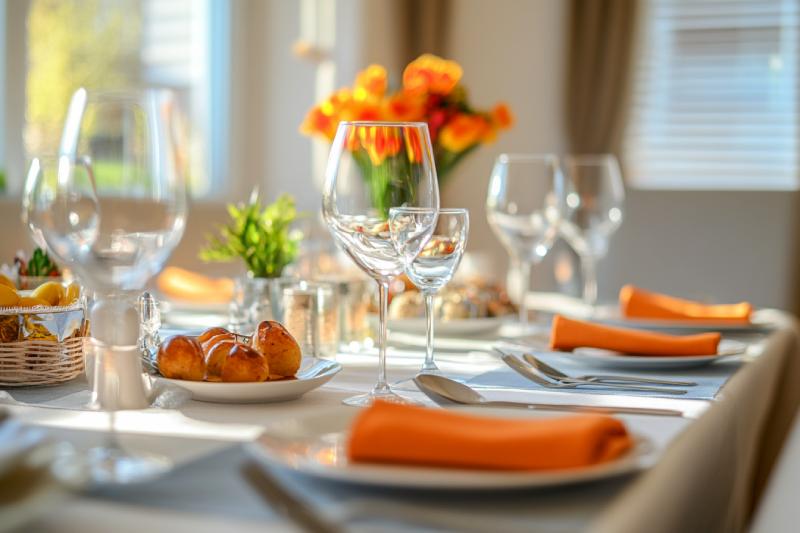
Flavour alone doesn’t make a meal memorable. A truly satisfying dining experience engages all the senses, and that starts with how you set up your dining space.
1. Select Your Plates
- Choose Colourful Plates: Bright, colourful plates make dishes look more vibrant and appealing. Opt for colours that contrast with your food to make it stand out—for example, serve a green salad on a red or blue plate.
- Use Smaller Plates: Serve meals on slightly smaller plates to make portions look more generous and visually satisfying.
2. Plate It Up Like a Pro
- Create Layers: Build height by stacking or layering ingredients. For example, stack fritters neatly and add smashed avo on top, followed by a sprinkle of dukkah.
- Use Fresh Herbs Creatively: Garnish with sprigs of fresh herbs like coriander, parsley, or basil, placed strategically to enhance both fragrance and colour.
- Drizzle with Sauces: Use a spoon or squeeze bottle to drizzle sauces artistically across the plate. Zigzag patterns or circular swirls can add an elegant touch.
3. Create an Inviting Atmosphere
- Play Relaxing Music: Set the tone with soft background music or calming natural sounds, like ocean waves or birdsong, to enhance the dining experience.
- Adjust the Lighting: Use warm, dim lighting or candles to create a cosy, inviting atmosphere.
- Add a Scented Element: Place a small vase of fresh herbs, like mint or basil, on the table. The scent will enhance the aroma of the meal and make the dining area more inviting.
These tips not only improve the visual appeal but also complement the flavours, textures, and aromas of the meal, making the overall experience more enjoyable.

Applying the Sensory Impact Model to Gluten-Free Cooking
Cooking gluten-free can be challenging, but using the Sensory Impact Model makes it easier to create meals that are not just compliant but truly enjoyable. Here’s how to enhance each sensory element:
1. Taste: Build Layered Flavours
- Spice It Up: Use bold spices like cumin, smoked paprika, or turmeric to add warmth and depth.
- Use Umami Ingredients: Add umami-rich ingredients like tamari, nutritional yeast, miso paste, or mushrooms to deepen savoury flavours.
- Add Acidity: Finish dishes with a splash of lemon juice, vinegar, or even pickled veggies to brighten flavours and balance richness.
- Sweet Balance: Incorporate natural sweetness from ingredients like roasted sweet potatoes, caramelised onions, or sautéed bell peppers.
Ingredient Spotlight: Enhancers for Gluten-Free Dishes Certain ingredients can dramatically improve the taste and texture of gluten-free cooking. Here are a few must-haves:
- Nutritional Yeast: Adds a cheesy, umami flavour to sauces, salads, and roasted veggies.
- Psyllium Husk: Works wonders in gluten-free baking by improving elasticity and keeping the dough moist.
- Coconut Aminos: A fantastic soy sauce alternative that adds umami to stir-fries, marinades, and dressings.
- Chickpea Flour: Adds density to fritters, pancakes, and other savoury dishes.
2. Texture: Create Satisfying Mouthfeel
- Add Crunch: Use toasted nuts, seeds, or gluten-free breadcrumbs as toppings for soups, salads, and roasted veggies.
- Achieve Creaminess: Add avocado, coconut cream, or tahini to sauces, dips, or dressings for a silky texture.
- Combine Textures: Balance crunchy and creamy elements in the same dish—like crispy chickpeas on a creamy soup or crispy roasted broccoli with a tahini dressing.
3. Aroma: Boost the Scent of Dishes
- Use Fresh Herbs: Add fresh herbs like basil, parsley, or coriander at the end of cooking to release a burst of fragrance.
- Sauté Aromatics: Cook aromatics like garlic, onions, or ginger in olive oil at the start of dishes to create a savoury base that fills the kitchen with inviting aromas.
- Add Citrus Zest: Grate fresh lemon or lime zest over dishes before serving to enhance the scent and flavour at the same time.
4. Visual Appeal: Make Dishes Look Inviting
- Use Colourful Ingredients: Incorporate vibrant vegetables like red peppers, purple cabbage, or bright greens like spinach to make dishes pop.
- Garnish Creatively: Use chopped herbs, sliced chillies, or a sprinkle of dukkah to add visual interest and texture.
- Layer Ingredients: Arrange salads, bowls, or platters by layering ingredients so that each colour and texture stands out.
5. Environment: Set the Right Mood for Eating
- Set the Table: Use colourful plates, attractive cutlery, and a tidy table setting to enhance the visual appeal of the meal.
- Play Relaxing Music: Add a soundtrack to mealtime that matches the mood, whether it’s upbeat or calming.
- Add Scent to the Room: Use candles, essential oils, or fresh flowers to create an inviting atmosphere that complements the aromas of the food.
By focusing on these sensory elements, you can make gluten-free cooking not only possible but truly enjoyable for yourself and those you cook for.
So, let’s see the Sensory Impact Model in action with a delicious gluten-free recipe. This one is from The Nourish Cookbook and is a personal favourite of mine—it’s easy to make, packed with flavour, and ticks all the boxes when it comes to taste, texture, and aroma. Let’s dive into the Sweet Potato Fritters with Smashed Avo & Dukkah!
Recipe: Sweet Potato Fritters with Smashed Avo & Dukkah
Sweet Potato Fritters with Smashed Avo made using the Sensory Impact Model.

This recipe brings the Sensory Impact Model to life. It’s simple, gluten-free, and offers a range of flavours and textures that make each bite satisfying.
Ingredients
- 1 large sweet potato, peeled and grated
- 1 cup parsley, chopped
- 2 eggs, whisked
- 100 ml olive oil
- Sea salt and pepper
- 2 large avocados
- 50 g crumbled feta
- 3-4 large fresh basil leaves
- Juice of 1/2 lemon
- 125 g dukkah
Instructions
- Mix the Fritters: In a bowl, combine grated sweet potato, chopped parsley, whisked eggs, and half the olive oil. Mix well and form small fritters.
- Cook the Fritters: Heat a non-stick pan over low heat with the remaining olive oil. Fry the fritters until golden brown on both sides, seasoning with sea salt and pepper.
- Prepare the Smashed Avo: Dice avocados into large chunks and place them in a bowl. Add lemon juice, crumbled feta, chopped basil, and a drizzle of olive oil. Gently fold until smooth but still textured.
- Serve: Serve the warm fritters with smashed avo on top, crumble extra feta over, and sprinkle with dukkah.
Why This Recipe Works with the Sensory Impact Model
- Taste: The natural sweetness of the sweet potato is enhanced by the tang of lemon in the avocado.
- Texture: The crispy fritters paired with creamy avocado offer a satisfying mouthfeel.
- Aroma: The mix of herbs, olive oil, and fried sweet potato creates an enticing aroma.
- Visual Appeal: The bright orange of the sweet potato, vibrant green avocado, and textured dukkah make the plate visually appealing.
- Environment: Set the mood—play some relaxing music, use colourful tableware, and share the meal with loved ones for a complete experience.
Adapting the Sensory Impact Model to Other Restrictive Diets
The Sensory Impact Model isn’t just for gluten-free cooking; it works for a range of other dietary needs too. Here’s a few ideas for adapting flavours and textures to different diets:
- Dairy-Free: Achieve creaminess by using alternatives like coconut milk, cashew cream, or mashed avocado. To get that cheesy flavour without the dairy, try nutritional yeast or vegan cheese.
- Low FODMAP: Opt for low-FODMAP ingredients like chives instead of onions, and use garlic-infused oil to add flavour without triggering bloating or discomfort.
- Vegan: Use mushrooms, tamari, or miso paste to build umami depth, while ingredients like tahini, avocado, or olive oil provide richness and body to your dishes.
No matter your dietary needs, the Sensory Impact Model can help you create meals that are not only compliant but also balanced, flavourful, and satisfying.
Final Thoughts: Making Gluten-Free Cooking Satisfying
The Sensory Impact Model isn’t just for professional chefs—it’s something anyone can use to create more satisfying meals. Whether you’re cooking gluten-free meals or for other special dietary needs such as dairy intolerance, vegetarian, vegan, nut-free, low FODMAP, salicylate sensitivity, low lectin, or other restrictive diets, the Sensory Impact Model can help you make dishes that are not only delicious but also enjoyable on all sensory levels.

by Adam Rice
Adam Rice, Founder and Kitchen Coach of the Better Food Bureau, has over 20 years of culinary experience. He began as a kitchen hand at 11, later training as a chef in prestigious Melbourne restaurant Ezard and later worked under guidance of chefs from Vue De Monde. He also served as a personal chef for elite clients on yachts and in luxury homes. His programs focus on making meal preparation accessible, especially for those with dietary restrictions, blending cooking skills with well-being principles.
Ready to Cook with Confidence?
If you’re excited to transform your gluten-free cooking and make every meal a joy, then you’ll love the Nourish Cookbook. Packed with simple, flavourful recipes and smart ingredient swaps, it brings the Sensory Impact Model to life.
Click below to get your copy today and start creating gluten-free dishes that everyone will love!